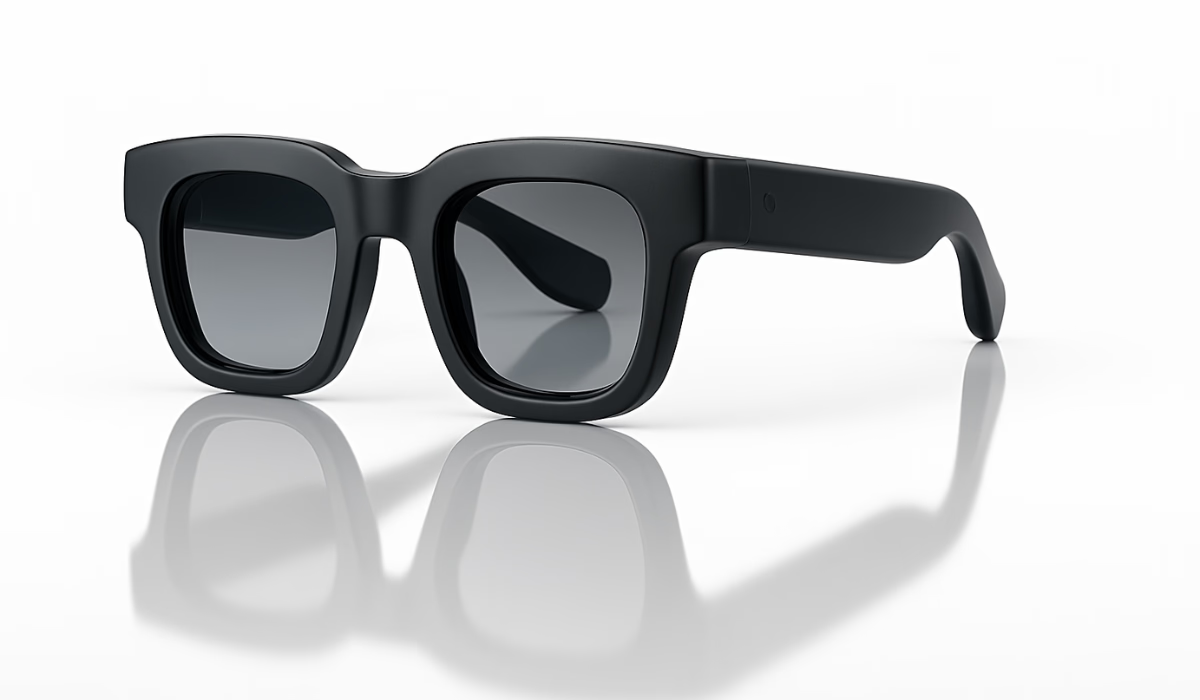
Apple Smart Glasses: Rumored Features, AI, and Release Plans
- Codenamed N50, Apple’s smart glasses may integrate Apple Intelligence for environment analysis.
- Expected to compete with Meta’s Project Orion and Ray-Ban Meta glasses.
- Launch timeline estimated by 2027, pending battery life and affordability challenges.
- Privacy concerns may exclude cameras/microphones, unlike Meta’s Ray-Ban glasses.
- Not a “true AR” device, but could sync with AirPods and future Apple ecosystem products.
Apple’s rumored smart glasses are making waves in the wearable tech space. Codenamed N50, these sleek spectacles aim to blend AI-driven functionality with everyday usability, positioning them as a competitor to Meta’s Ray-Ban smart glasses and Project Orion prototypes. Here’s what we know so far:
1. Apple Smart Glasses Intelligence Integration
According to Bloomberg’s Mark Gurman, the glasses will leverage Apple Intelligence to analyze the wearer’s surroundings and deliver real-time contextual information. Think instant translations, navigation prompts, or reminders—all without full augmented reality (AR) overlays. (Internal link: Explore how Apple Intelligence works here.)
2. Design and Privacy Trade-offs
While Meta’s Ray-Ban glasses feature cameras and microphones, Apple is reportedly hesitant to include media-capturing hardware due to privacy concerns. This could differentiate N50 as a “safer” wearable for public use.
3. Meta’s Competition Heats Up
Meta plans to expand its Ray-Ban smart glasses to India, UAE, and Mexico soon. They are priced at $379 (₹32,000). Their upcoming Project Orion glasses, rumored for late 2024, will include displays and app support features that Apple’s N50 may mimic. (Internal link: Meta vs. Apple wearables comparison.)
4. The Long Road to Launch
Apple’s smart glasses face logistical hurdles:
- Battery Life: Balancing lightweight design with all-day usage.
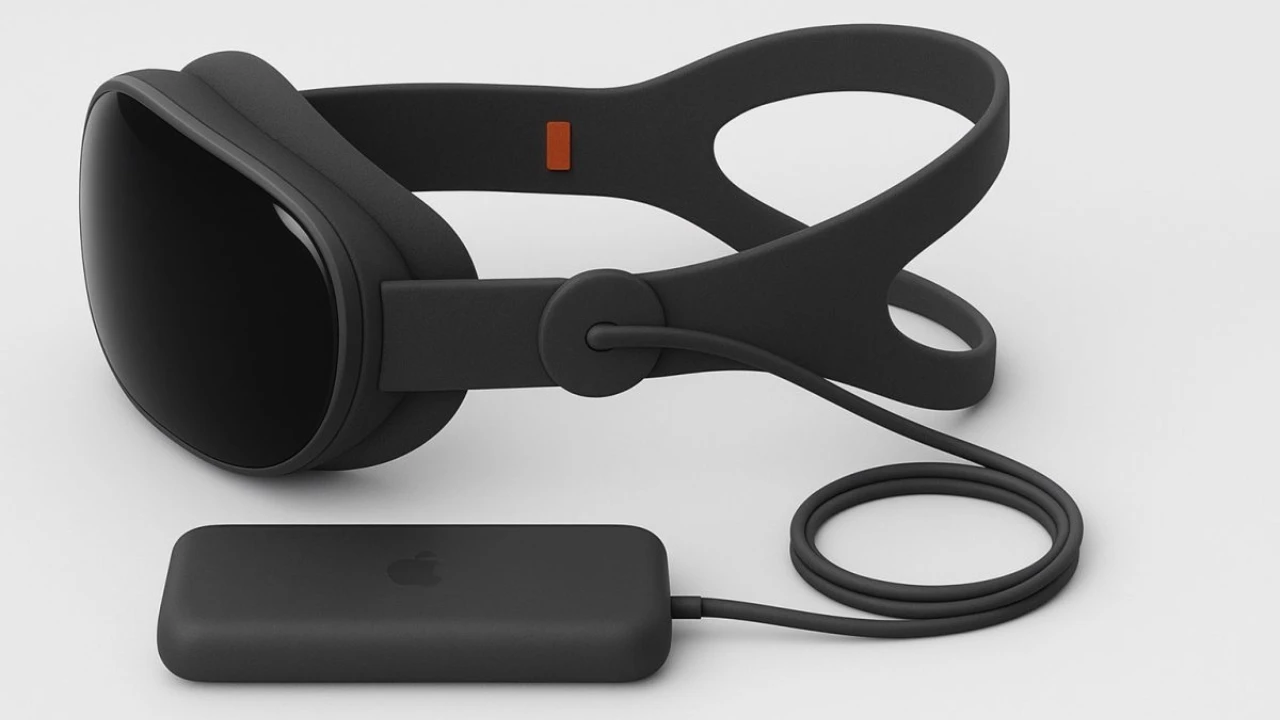
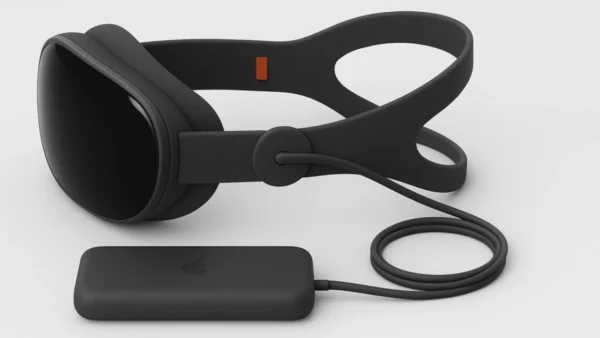
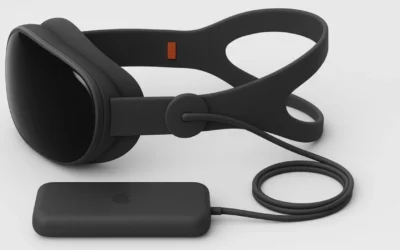
- Cost: The Vision Pro’s $3,499 (₹2.98 lakh) price tag highlights Apple’s premium positioning, but smart glasses may target a broader audience.
Analysts predict a 2027 release, alongside camera-equipped AirPods.
5. Why This Matters
If successful, Apple’s glasses could redefine wearable AI by seamlessly integrating with iPhones, AirPods, and Vision Pro. However, without cameras or AR, their utility hinges on Apple Intelligence’s innovation.