A Chinese firm called Zinwa Technologies is giving BlackBerry fans a reason to celebrate. The company plans to revive classic BlackBerry models like the Passport, KEYone, and Q20—now with Android, upgraded internals, and full 4G LTE support.
The first to get this nostalgic-modern treatment is the BlackBerry Q20, also known as the Classic. It will now be called the Zinwa Q25 and is set to ship in August. This revamped device preserves the iconic BlackBerry look, complete with the 720×720 screen, physical QWERTY keyboard, and LED notification light—but swaps its outdated internals for modern tech.
What’s New in the BlackBerry Q25:
- Processor: From Snapdragon S4 to MediaTek Helio99
- RAM: Jump from 2GB LPDDR2 to 12GB LPDDR4X
- Storage: Boosted from 32GB to 256GB UFS 2.x
- Camera: Now a 50MP rear and 8MP front camera
- OS: Ships with Android 13
- Battery & Ports: Includes USB-C, headphone jack, NFC, microSD, and single SIM
Zinwa plans to offer this upgrade in two forms:
- Complete phone: $400
- Conversion kit for current Classic owners: $300
Regular security updates will be provided, although no Android OS upgrades are planned.
BlackBerry Passport: A Cult Favorite Returns?
Among the phones Zinwa wants to modernize is the BlackBerry Passport, a device that originally made waves with its 4.5-inch 1440×1440 square display and unique hybrid physical/virtual keyboard. Marketed as the device that lets you “Work Wide,” its design helped professionals view more on-screen, like doctors comparing X-rays.
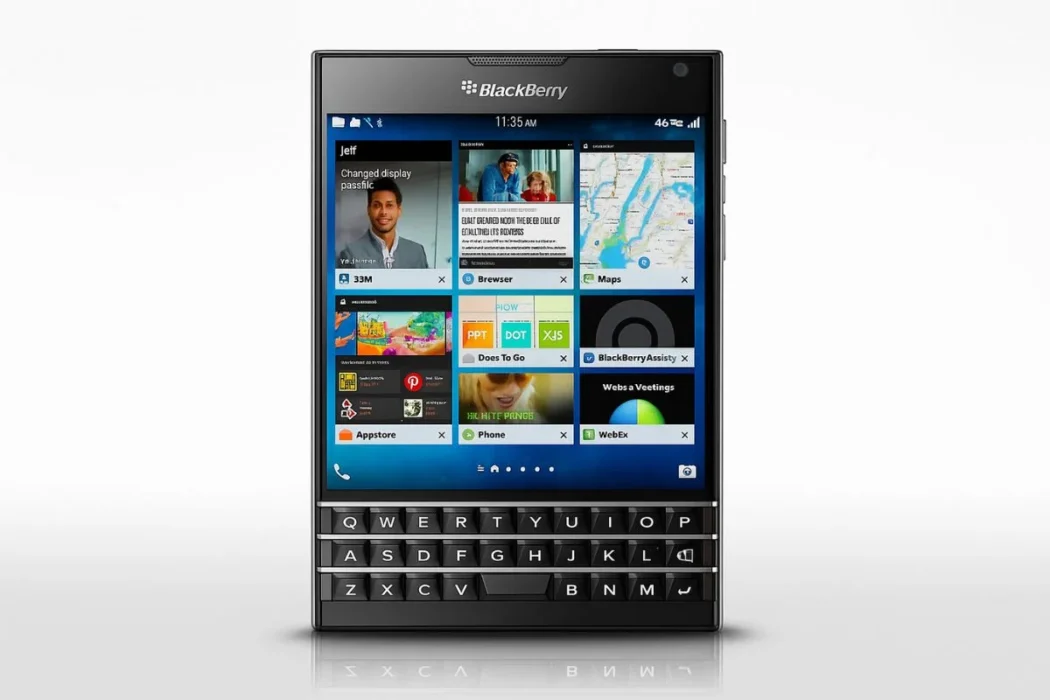
While the Passport originally ran on BlackBerry 10 OS and a Snapdragon 801 chip, a variant was rumored to use Android, though that never happened. Fans looking for an Android Passport-like experience later turned to the Unihertz Titan, a 2019 rugged clone with similar screen and keyboard features, and Android 10.
Now, Zinwa may finally give BlackBerry Passport fans what they wanted: modern specs, Android, and that iconic square screen experience.
More Models May Be Revived
Zinwa has hinted at bringing KEYone and the Passport into its upgrade pipeline. These upgrades aim to retain BlackBerry’s classic design and feel while delivering modern smartphone performance.