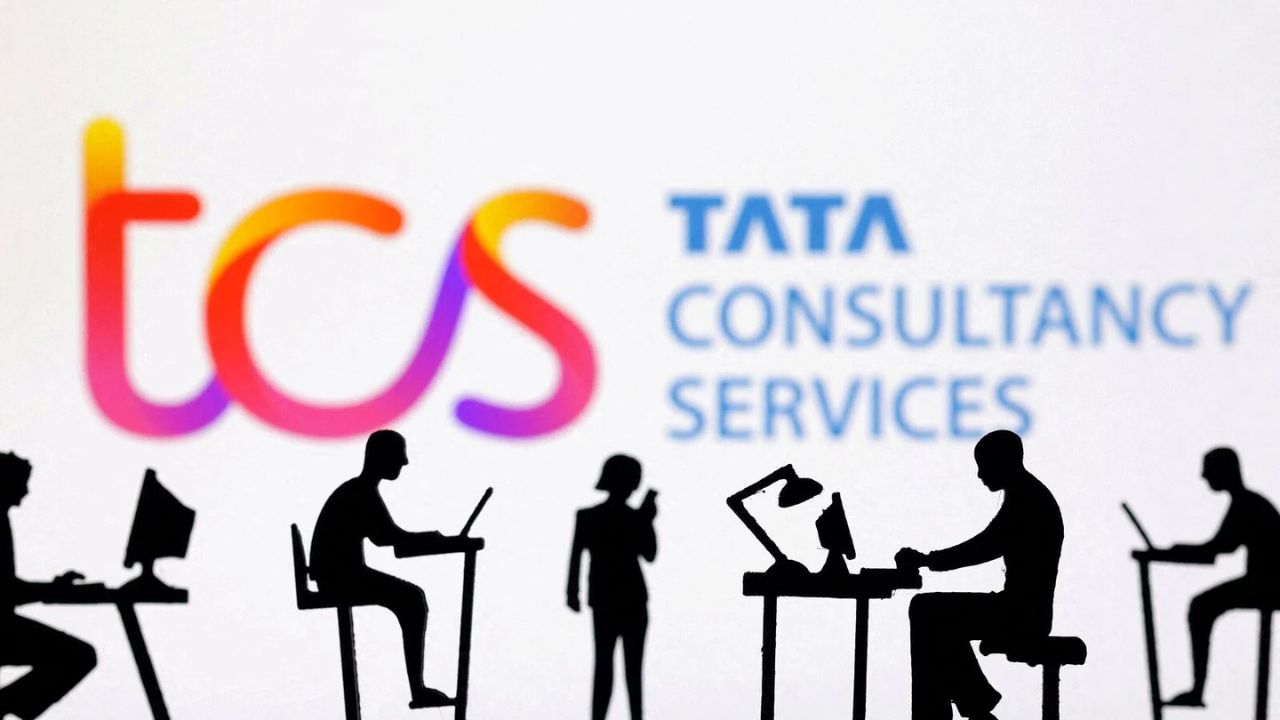
TCS layoffs are in news again as India’s largest IT services company Tata Consultancy Services (TCS) has announced the layoff of 12,261 employees worldwide—or 2% of its employees. Artificial intelligence (AI), despite all the speculation on automation overtaking human jobs, is not calling the shots for this big decision, said TCS CEO K Krithivasan.
TCS job cuts not due to automation, artificial intelligence, says CTO K Ananth Krishnan In as chat with Moneycontrol, Krithivasan explained that TCS job cuts are the result of skill mismatches and redeployment issues and not due to AI directly. “This is not about AI providing some 20 percent productivity gains,” he said, calling the decision a “hard but necessary reckoning.”
The TCS layoffs will affect senior and mid-level staff, and is planned to be conducted in phases till FY26. Krithivasan stressed that the step is not going to be geography or domain specific and the it will be done in the most compassionate manner.
But the company’s official statement does cite AI as a contributing cause. It added that TCS is becoming a “Future-Ready organization” by moving to deploy AI at scale and by reimagining its workforce model. The transformation includes re-skilling, re-deploying, and yes, releasing associates in situations where deployment isn’t possible.
“This will affect approximately 2% of our total global workforce, which is centered in the mid- and senior levels of our organization,” the company said.
The TCS job cuts follow 30 months after the release of ChatGPT, which was a moment that made many in India’s IT industry scramble for reassurances about the future of coding-heavy jobs. This trend has been visible across the sector with the likes of HCL Technologies too indicating at the possibility of replicating the workforce realignment on account of automation.
The TCS job cuts are more symptomatic of Indian IT giants adjusting to a changing AI-powered services model, said Phil Fersht, chief executive of HFS Research told Hindustan Times.
AI is eroding our people- heavy services model
he explained, adding top firms must slash jobs to stay competitive and profitable as clients demand top line savings of 20–30%.
Fersht thinks that this re-skilling of the workforce will take another year or so, with companies concentrating on training up junior staff to work closely with AI offerings. In the process, employees who aren’t able to adapt to the evolving model could be cast out.
Dismissing TCS staff a massive change in Indian IT services domain. With the importance of AI on the rise, companies like TCS are trying to balance their innovative urges with the value of human capital. And while AI was not the only trigger, it undoubtedly sped up internal reviews and reevaluations of skills.
As TCS goes forward with these changes, the industry will be closely watching how the remaining staff transforms and how TCS’ reskilling programs progress. The TCS layoffs are not just a company occurrence, but also a sign of the future of IT jobs in India.