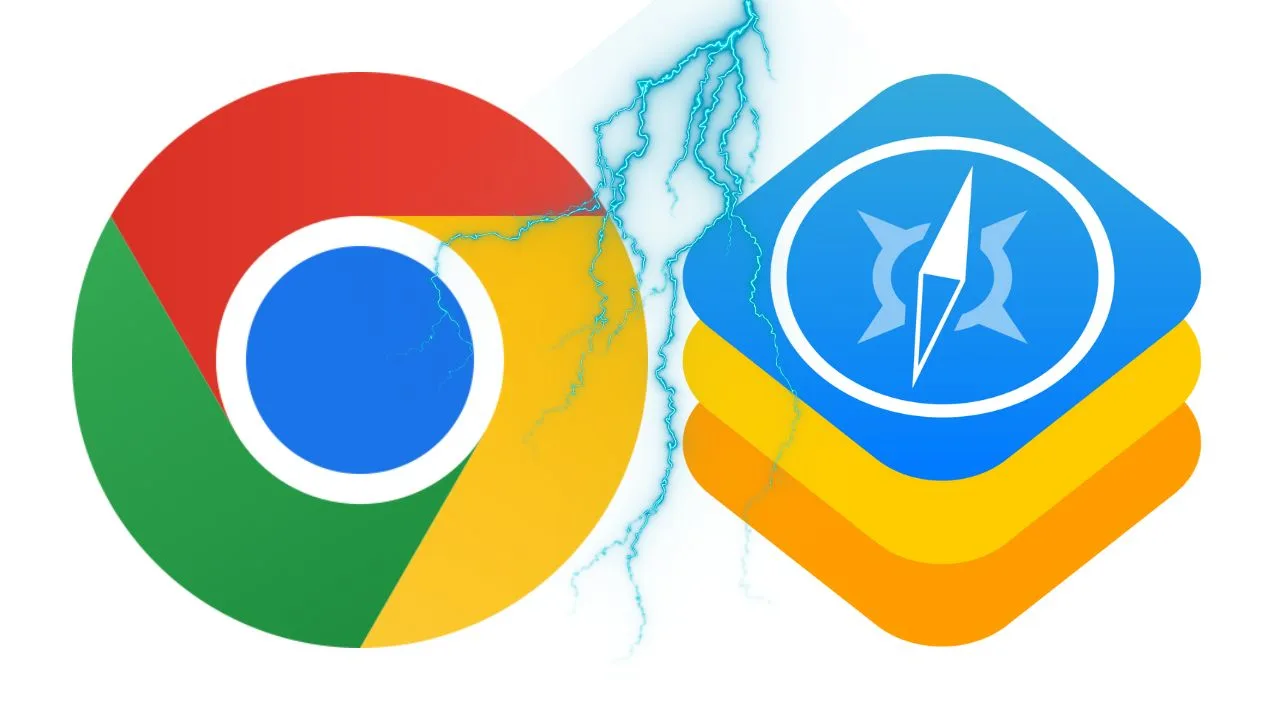
The Japan Mobile Software Competition Act was just passed and Apple is already facing increased legal pressure to open up non-WebKit browsers to the iPhone. That huge regulatory change will force Apple to allow non-WebKit browsers on iPhone, overturning a decades-long rule that all browsers on iOS have to use WebKit, the underlying engine behind Safari.
The law, which is to be fully implemented in December, states unequivocally that Apple browser restrictions, which would have effectively stopped “alternative” browser engines such as Blink (which powers Chrome, Edge, Opera) or Gecko (which powers Firefox) from being used by app developers on their iPhones and iPads, are no longer allowed.
In practical terms, this means that users in all—but one—countries (such as Japan) can only run non-WebKit browsers on iPhone that are actually running WebKit under the hood. Apple has described this as an important step in security. Nonetheless, critics, regulators, and even some developers have pushed back against the change, labeling it an anticompetitive move that suppresses innovation and consumer options.
Japan is catching up to the EU, where Apple has already opened up iPhone and iPad to non-WebKit browsers with its implementation of the Digital Markets Act. However, Japan’s sack is more dynamic. And although the EU ended up making Apple obey in iOS 17.4 and iPadOS 18, the truth is that without any significant alternative browser engines on the App Store ever since thanks to Apple’s stringent tech constraints.
Japan, by contrast, is a world apart. It also requires Apple to not impose unreasonable technical fetters on browser freedom. Which actually opens a way for feature-complete non-WebKit browsers on iPhone, which still hasn’t happened in the EU.
Among others calling for these changes is Open Web Advocacy, which applauded the law for enabling actual browser engine competition on iOS for the first time. It pointed out that this isn’t only about opening the door to other browsers; this is about ensuring those browsers can actually work without being gimped by technical hurdles.
Along with enabling alternate browser engines, Apple has to introduce a default browser choice screen on Safari, similar to EU’s order. This is yet another step in providing users with a genuine choice in their web browsing experience on their iPhones.
The UK is also said to be working on comparable laws, which threatens to start a global domino chain — making Apple reconsider its browser engine monopoly as a whole.
Japan’s action is finally a big victory for browser makers, user choice, and mobile software competition. For Apple, another reminder of the difficulty of reconciling its tightly controlled ecosystem with growing global calls for platform openness.
Real non-WebKit browsers will soon be here in Japan—only a few months away—and change could come quickly to iOS as we know it.
FAQ
A new law that forces Apple to open up iPhone to non-WebKit browsers, so they can finally ditch the Safari-only engine rule!
The law will not be fully in force until December this year.
Such as Blink (the Chrome and Edge engine), and Gecko, the Firefox engine — the latter of which is currently blocked on iPhones.
Under the Digital Markets Act, Apple does allow non-WebKit engines in the EU, but the rules are so strict that adoption has been limited.
And the UK will soon introduce similar rules, which could lay down more international pressure on Apple.