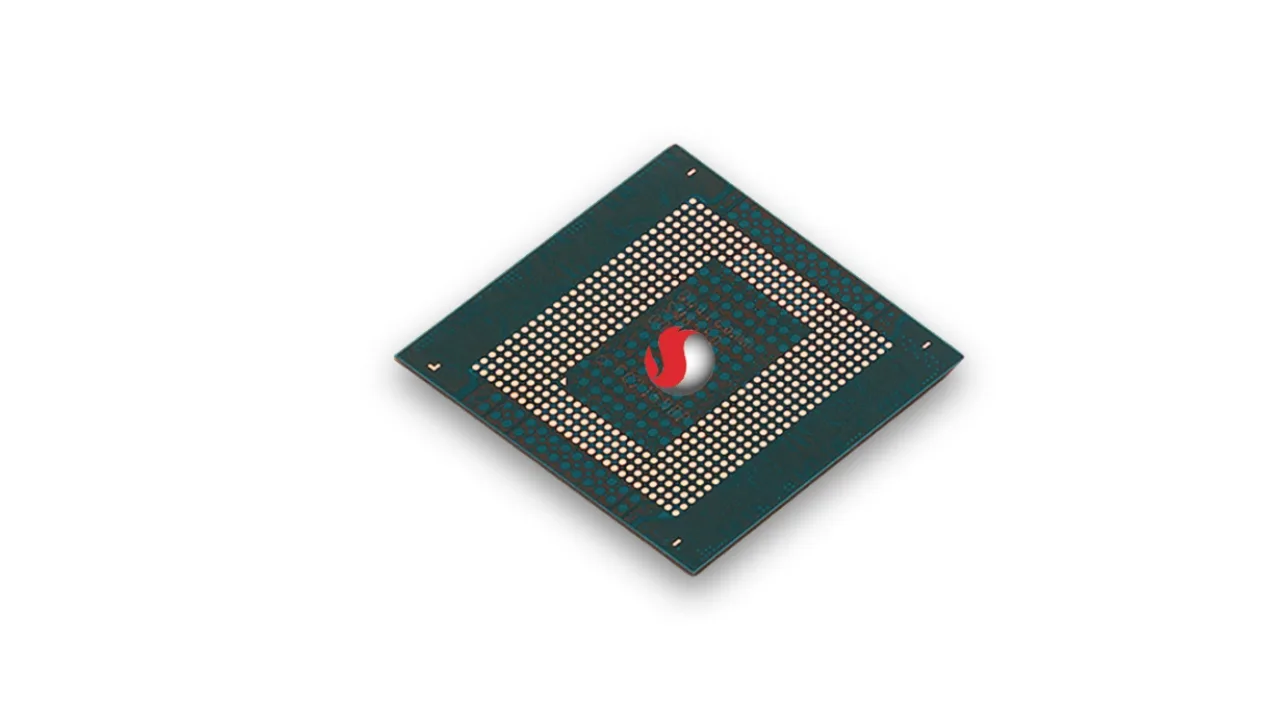
Word is that Qualcomm’s next flagship chipset would have revolutionary efficiency, but if that was your thought you are likely to be let down. But this is not a game-changing power consumption figure for the new Snapdragon 8 Elite Gen 5 — rather, it goes all in on performance that could transform flagship smartphone experiences in the future.
Latest leaks suggest the Snapdragon 8 Elite Gen 5 will use the same power as the previous Snapdragon 8 Elite. Qualcomm also opted for N3P, TSMC’s third-gen 3nm process, which has only incremental efficiency improvements. Qualcomm appears to have taken the brute-force approach rather than the efficiency approach by cranking performance and efficiency core frequencies higher.
So, Why Power Efficiency Remains Unchanged?
N3P is largely an optical shrink of TSMC’s previous 3nm node, so the Snapdragon 8 Elite Gen 5 doesn’t take a significant step forward in efficiency. It provides only ~5% better performance at equivalent power, or a 5–10% power advantage if the frequencies stay constant. However, Qualcomm has increased the clock speeds, so it loses that edge, leaving power consumption almost exactly the same compared to the Snapdragon 8 Elite.
Performance Gains That Stand Out
The performance is where things really get interesting. Snapdragon 8 Elite Gen 5 returns benchmarks much higher than its predecessor, even when tested at lower frequencies. An underclocked version clocked at 4.00GHz allegedly even outperformed the Snapdragon 8 Elite in single-core and multi-core tests, despite the latter clocking at 4.74GHz. It implies that Qualcomm’s optimizations are paying off, and the Snapdragon 8 Elite Gen 5 could offer flagship speed while still sipping battery reserves.
Future Outlook With 2nm
Qualcomm’s next-gen 2nm chipset comes in 2026, after the Snapdragon 8 Elite Gen 5 This coming chip should mean some actual savings in power consumption, enabled by the smaller die node. The Snapdragon 8 Elite Gen 5 is therefore just a means of squeezing the most performance from existing 3nm architecture for now.
Battery Life Concerns
Nonetheless, mobile phone makers aren’t too concerned since the power draw is the same. With innovations like silicon-carbon battery tech, brands — especially in China — should be able to ship devices with massive batteries that can easily take the Snapdragon 8 Elite Gen 5 at full speed. Despite the higher clock speeds of the chipset, users will still get to enjoy long hours of usage.
Conclusion
While not exactly an efficiency revolution, Snapdragon 8 Elite Gen 5 is a big step in sustained performance without raising TDP. For consumers, this means flagship smartphones powered by this chip at the end of 2025 will offer bold speed, seamless multitasking, and better gaming — while maintaining long-lasting battery life, assuming manufacturers mate it with appropriate power supply designs.
FAQ
Nope, the Snapdragon 8 Elite Gen 5 is the same power consumption as the Snapdragon 8 Elite but at higher clock speeds.
Even when underclocked, benchmark leaks indicate that it’s faster than the Snapdragon 8 Elite in single-core and multi-core results.
It features TSMC’s 3nm N3P process that provides slight performance and efficiency gains from the previous generation 3nm.
The first proper efficiency gains (like the kind that are routinely promised) are expected when Qualcomm’s first 2nm chipset lands in 2026.