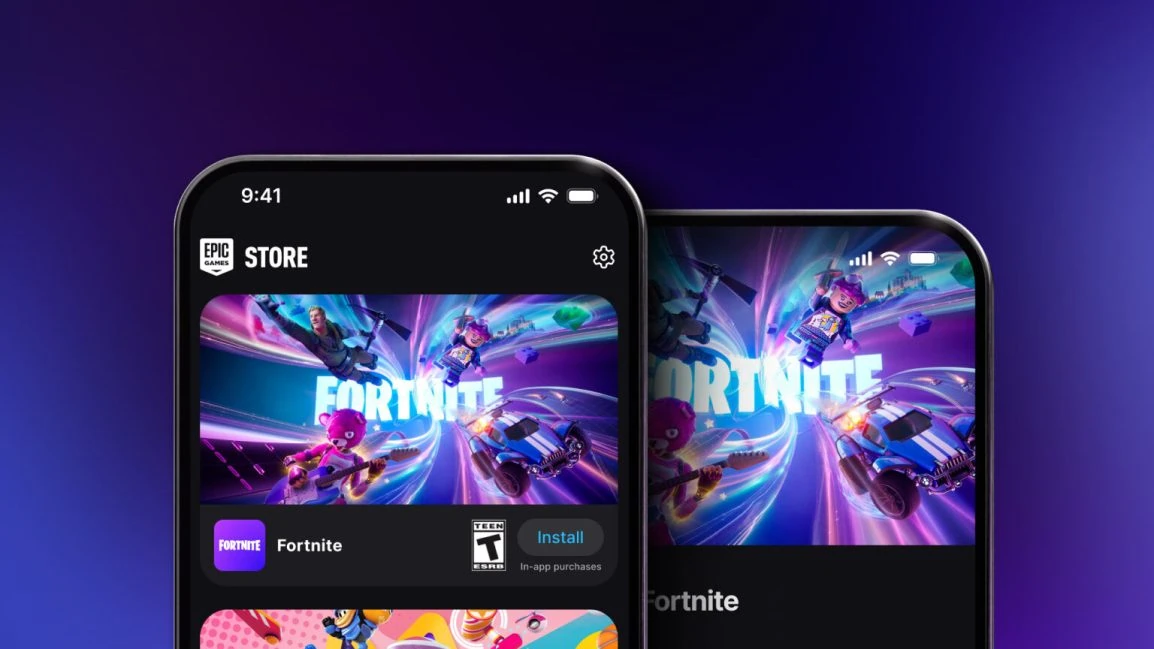
Apple’s updated EU App Store could free up more promotion for developers — but with strings The move from the Apple App Store in the EU, likely underpinned by the Draft Digital Markets Act (DMA), could be good for developers who could gain more freedom to promote their apps and market their in-app offerings. Epic Games chief executive Tim Sweeney is airing his anger at the Apple EU App Store fees, saying the tech giant has constructed a restrictive and punishing environment for developers who opt to use these new freedoms.
For years, Apple has run the App Store with an ironclad grip and reaped enormous commissions from developers. These commissions were derived from app sales as well as from sales that took place within apps. But recent regulations in Europe have forced Apple to reverse course. The EU’s proposed Digital Markets Act would require gatekeepers like Apple to become more transparent and let developers provide their own payment options.
In reply, Apple has lifted previous limits which prevented developers from adding more than a single static link for external promotions. As of now, Apple permits promotion of offers via any channel (third-party stores, external sites, or apps) within the EU App Store. That sounds like a victory for developers, but it doesn’t tell the whole story.
Nevertheless, Apple implemented new Apple EU App Store charges, that included an “Initial Acquisition Fee” at 2% for new users onboarding. And the company also introduced a new two-tier system, called Store Services, charging developers 5% to 13% depending on how much the Indeed, the app store wars represent a radical shift in the gaming world.
All App Store apps automatically reside in Store Services Tier 2. This might include such premium features as launched app reviews, customer support tools, and other benefits. But developers that decide to promote their own offers can join Store Services Tier 1, which offers fewer services — and smaller fees.
In its petitory this system allows some flexibility, Apple’s documentation says. But that’s not how Epic’s Tim Sweeney sees it. He says that this change is not merely about fees, but a form of retribution against developers who have been taking advantage of the freedoms provided by the DMA.
According to Sweeney, Apple’s Tier 1 choice has severe consequences. These are disabling auto-update, restricted app discoverability through search, blocked customer support and family sharing and reduced user experience in general. In other words, Apple is making sure these developers “fail commercially” if they don’t play ball exactly on Apple’s terms.
This method has aroused some controversy in the tech industry. There’s a widespread belief that Apple is finding loopholes to be seen as complying with the DMA, preventing it from allowing its dominance and monetization of the App Store to be eroded. The upshot, critics say, is a confrontational, manipulative environment disguised as policy flexibility.
EU Apple App Store fees are increasingly becoming a major headline in the ongoing Big Tech and developer rights battle. Though Apple says that these changes are about transparency and choice, to companies like Epic Games they look like punitive fees in sheep’s clothing.
As the EU goes about policing the DMA, it’s possible we will see similar companies put under the same sort of microscope. And for developers in the Apple ecosystem for now, there will be a calculus of the costs of independence against the benefits of playing within Apple’s full suite of services and fees, too.