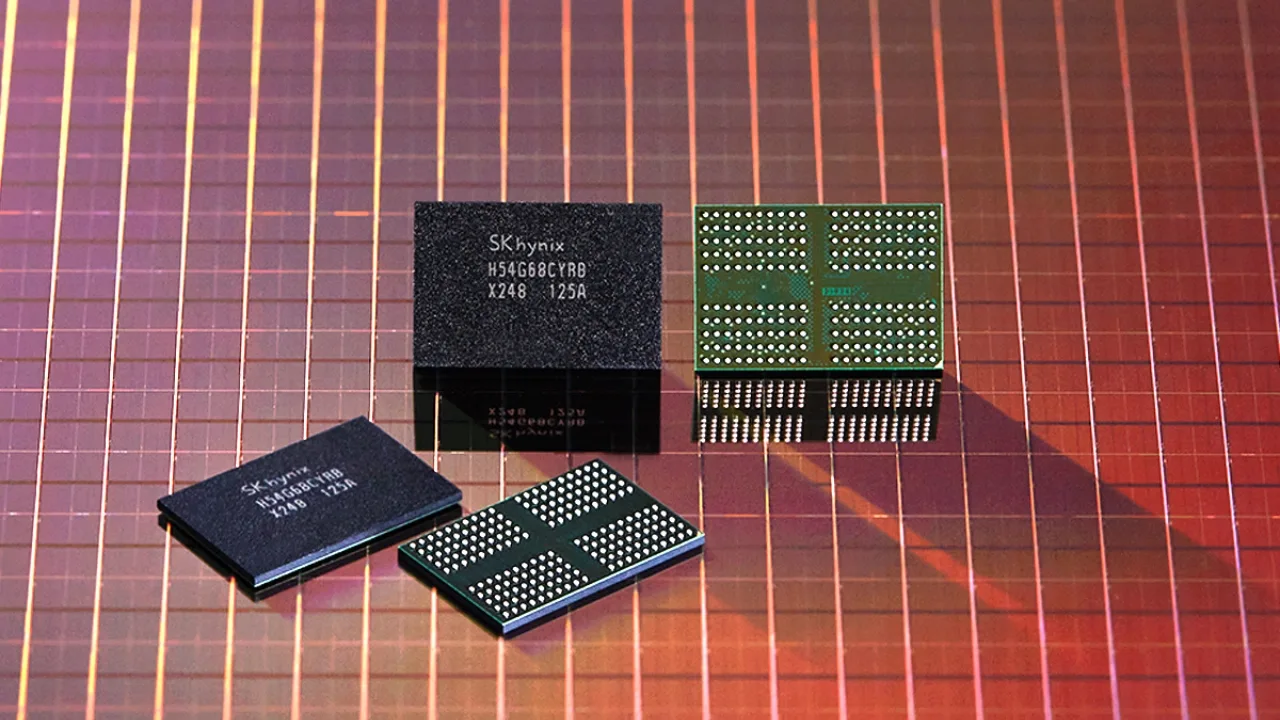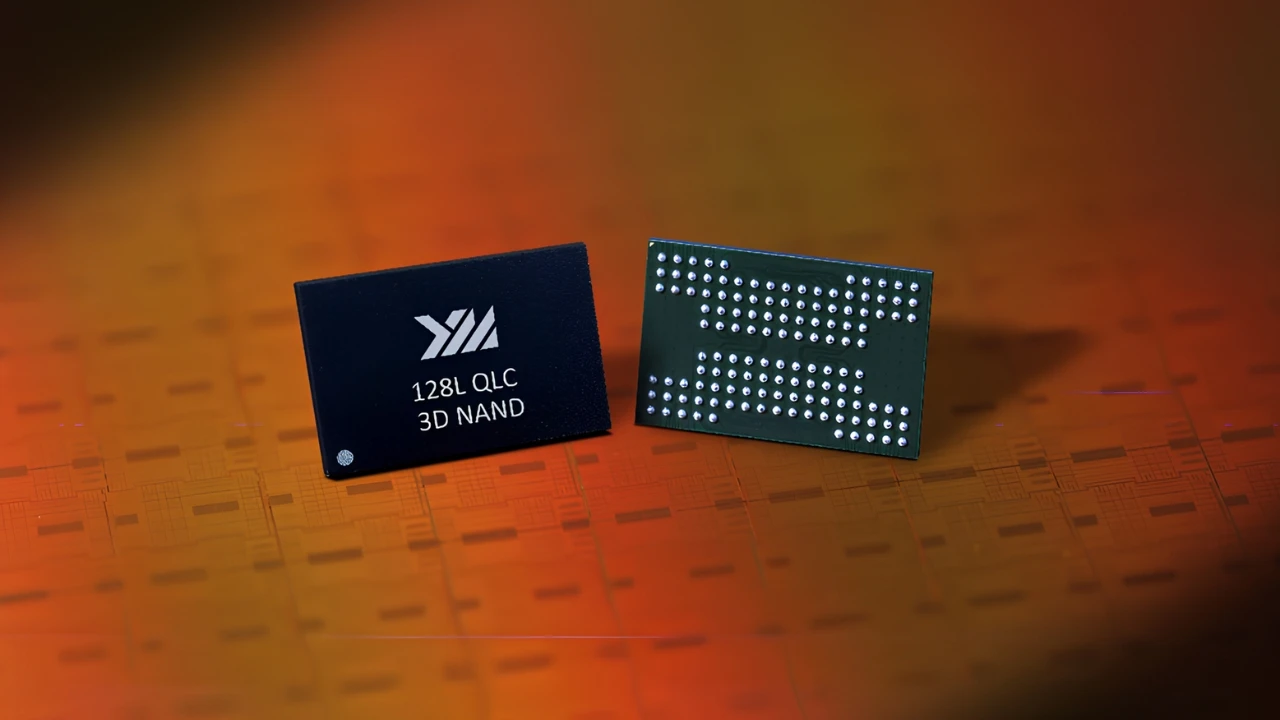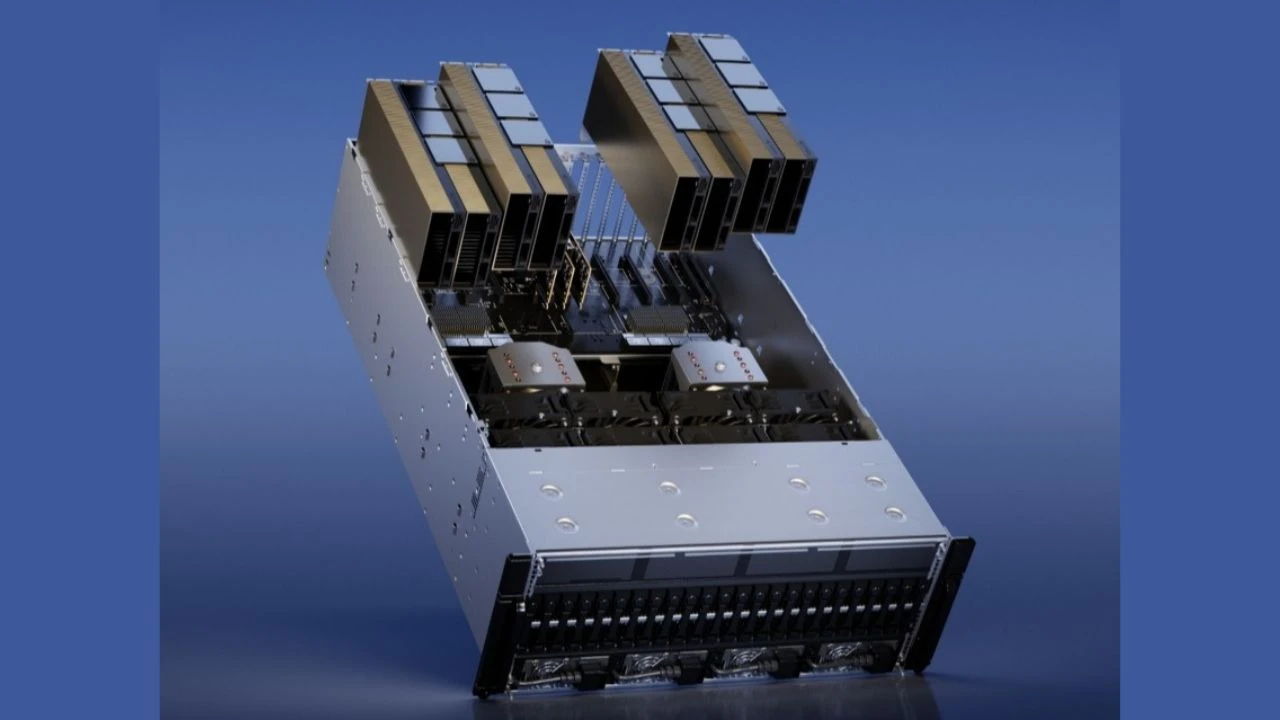
Nvidia RTX 6000D has the potential to be a game changer for Nvidia in China’s AI market. Nvidia RTX 6000D, which uses TSMC’s 4 nm technology and GDDR7 memories, with a bandwidth that reaches about 1,100 GB/s, providing ideal benchmarks but also respecting export regulations.
The Nvidia RTX 6000D will start shipping in Q3 2025, with Nvidia hoping to ship as many as two million units by the end of the year. This AI GPU is the company’s big bet to gain back its lost revenue from China; the country represented more than 13% of its annual revenues earlier, and is a net-net-net driver.
For the purpose of announcing the release of the Nvidia RTX 6000D and other compatible GPUs, Nvidia CEO Jensen Huang made his third visit to China this year on July 14. His visit underscores the company’s aggressive campaign to revive its business in the country even as it is coming under continuing scrutiny in the United States.
Nvidia has been unable to sell high-end chips in China since 2022, when it came under U.S. export bans. They were initially designed to prevent A100 and H100 from reaching Europe’s shores before slow cousins A800 and H800 were caught out, then a stall clamp on H20 and top-end, flagship gaming chip like the RTX 4090 and 5090D.This means Nvidia has booked $4.5 billion in inventory impairments and a further $2.5 billion in unrealized income losses.
But the Nvidia RTX 6000D might be a game changer. Custom-designed to walk the fine line of current regulations, it maintains almost HBM-class performance without braking through U.S. export barriers. This strategy could reboot Nvidia’s China sales after they fell to less than five percent following the most recent bans.
China-based challengers such as Huawei and Cambricon are working to develop AI silicon, but encounter production limitations at SMIC, higher manufacturing costs, bandwidth limitations, and a software ecosystem that significantly lags that enjoyed by Nvidia through CUDA. These constraints provide the Nvidia RTX 6000D a significant head start of keeping AI GPU sway at China.
If Nvidia can acquire sufficient GDDR7 in the second half of 2025, launching the Nvidia RTX 6000D would not only improve its Chinese sales but also a new 4 nm process application for TSMC.
In the end, the Nvidia RTX 6000D is more than a commercial product: It is a test for how much U.S. authorities will let its exports of downgraded AI hardware slide and whether Nvidia can maintain leadership in one of its most crucial markets.