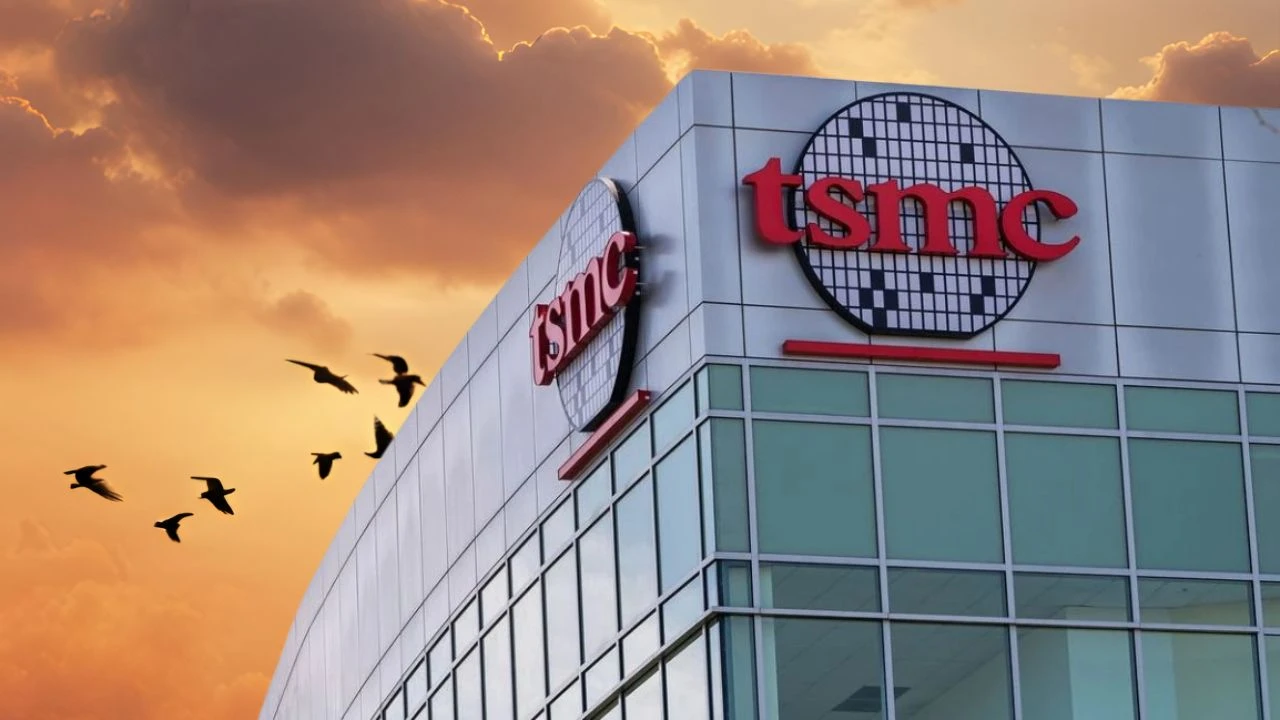
TSMC US chip cost is growing as a primary issue for the tech industry, particularly for firms such as AMD that depend on more advanced semiconductors to fuel products like artificial intelligence (AI) systems. TSMC’s presence in the United States is growing, but it is far more expensive to manufacture chips locally.
TSMC, the world’s largest contract semiconductor maker, announced a third fabrication plant in Arizona. The move is part of a larger effort to promote chip manufacturing on U.S. shores. However, AMD CEO Lisa Su revealed a huge worry at an (AI-focused) event in Washington recently, where the CEO said it costs around 20% more to manufacture the chips over in the United States, versus TSMC’s factories over in Taiwan.
Despite sky high pricing, Lisa Su emphasized that demand for AI chips is still strong. Businesses are rushing to the market and within five years, the AI chip industry is projected to exceed $500 billion. Even so, such high price tags, she cautioned, may bring about long-term strain on the industry’s ability to scale.
TSMC US Chip Cost So High
The high cost of labor and import taxes are leading to the high TSMC US chip cost. Constructing state-of-the-art fabrication plants (fabs) in the US not only requires high-end infrastructure, but its labor force is also more expensive than Taiwan’s.
There are also added expenses from bringing in essential parts and machinery. All these supply-chain issues mean that the cost for a TSMC US chip is far higher than what global tech giants are used to.
Diversifying chip manufacturing make sense from a geopolitical and supply chain security standpoint, but companies have to absorb significantly higher costs, Lisa Su said. She said she understood the need for local manufacturing, but said the price gap was a significant problem.
Requirements for AI Chips Continue to Soar
Despite the increase in the TSMC US chip cost, the AI boom doesn’t show any sign of slowing. AMD- who was one of the first to sign onto TSMC’s 4nm node, will continue to buy chips from US fabs just as they are more expensive.
It is also in part because of limited capacity in Taiwan. The Taiwanese semiconductor ecosystem is reaching saturation, and US-made chips, while costlier, are still a possibility for high-volume buyers, such as AMD.
If the TSMC US chip cost continues to fly up, maybe the industry needs to think about new ways of costing out which areas of the supply chain can be addressed to reduce its cost, Su said. Otherwise the AI growth path could run into some headwinds, especially for startups or companies without a lot of money.
DispatchA Strategic Dilemma for the American Chip Industry
The US government is pressuring domestic companies to ramp up production of semiconductors at home, a policy that has gained momentum since the Trump administration but is, at least in part, aimed at decreasing reliance on Taiwan. This has led companies like TSMC to build more fabs on American ground.
But the TSMC US chip cost calls into question the long-term viability of a mass chip production (in the US). Without tackling both labor and import costs, the U.S. might find itself unable to maintain its head of steam on the AI front at the velocity it desires.
Industry Players Who Are Paying the Higher Cost — for Now
AMD and other top tech companies continue to make big orders despite the higher TSMC US chip cost. Given the limited options (Intel and TSMC are the only two producers of mass-market chips in the US), companies are more than happy to eat the additional costs.
But this is not an approach that is practical for a small firm, or a long-term scalability strategy. If the cost difference persists, it may create pricing pressures across the broader market for AI hardware and, in turn, slow down deployment in areas such as health care, robotics and cloud computing.